



Planting Guide (preview)
Beginner's guide
Your first garden?
Never grown anything before? This is the calm, no-jargon guide to growing food at home in Kuwait and the Gulf: what to plant, when, and how to keep it alive.
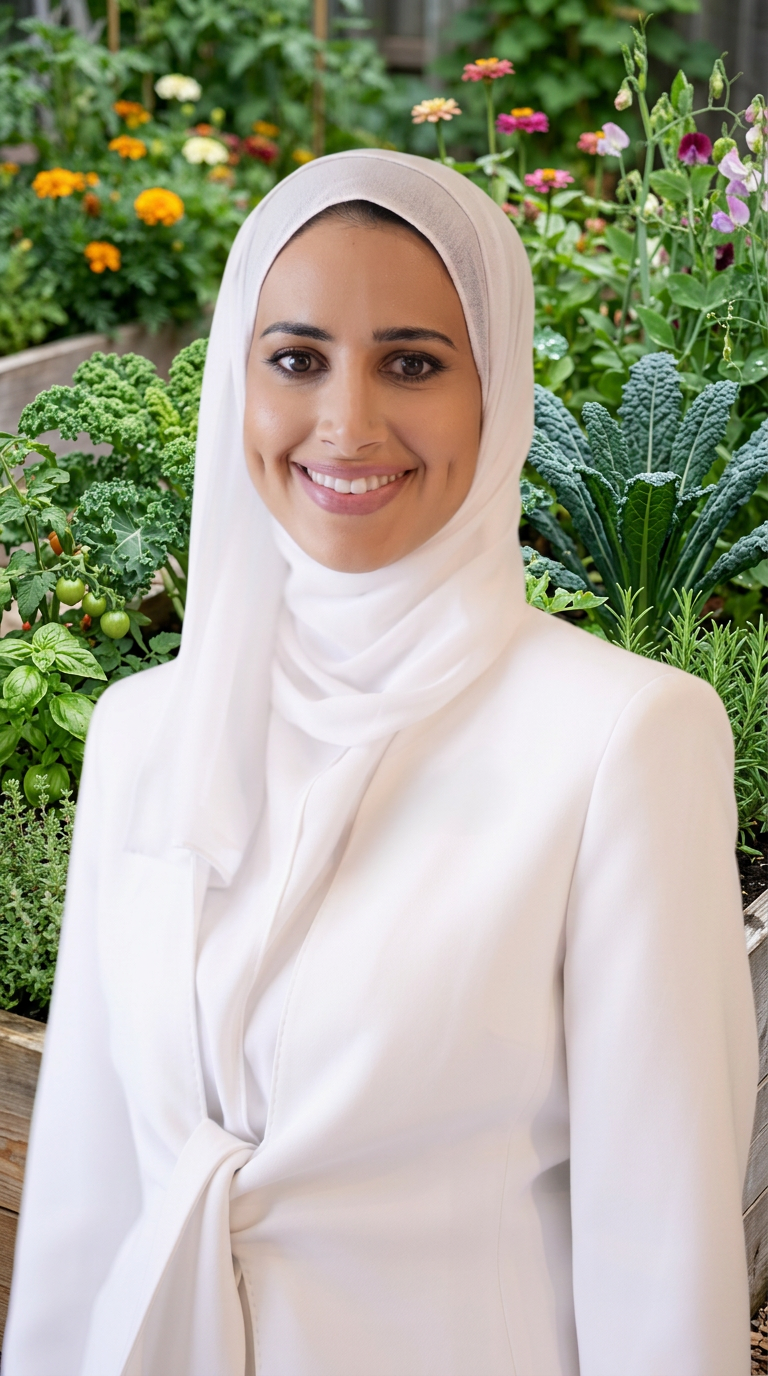
A note from Alzainah · @itallgrows
Thinking about starting a garden? I'm excited for you.
My gardening friends and I have grown organic food in this climate for years, and the one thing I wish someone had told me on day one is that Gulf gardening is its own thing. Advice written for cooler, wetter places often doesn't work here.
Everything below comes from our real seasons and real results. You've got this.
Know your climate
The Gulf rule book
Our heat, our sandy soil and our reversed season ask for a slightly different approach. These four things explain most of it.
-
The season is reversed
We plant mostly in autumn and winter (September to April). Summer is for maintenance and preparation, not planting.
-
The sun is a friend, except in summer
Peak summer passes 50°C. Even sun-loving plants may need shade from 11 am to 3 pm.
-
Sand alone isn't enough
Garden sand drains too fast and holds almost no nutrients. Improve it with potting mix, peat moss or coco peat, and compost.
-
Water at the right time
In the heat, water early morning or after sunset. Midday watering loses half the water to evaporation. In the mild season, check the soil first.
The basics
Five rules for first-time growers
-
1
Start small
One or two pots is plenty. Try one easy plant, win, then add more. Most beginners quit because they start with twenty things at once.
-
2
Find 4 to 6 hours of sun
A balcony, a roof or a corner of the yard all work. South-facing spots get the most winter sun.
-
3
Buy real potting mix
Don't dig up the yard. A bag of Potting Soil Mix is the easiest start. A simple blend: 1 part compost + 1 part coco peat + 1 part Corlite.
-
4
Water deeply, not daily
Push a finger into the soil. Dry? Water until it runs out of the bottom. Damp? Walk away. Overwatering kills more plants than heat does.
-
5
Plant at the right time
This is most of the success here. Tomatoes in May: disaster. Tomatoes in October: easy win. Use the calendar below.
Start here
Six plants that almost can't fail
Forgiving, fast and satisfying. Pick one and you'll harvest in weeks, not months.
-
Mint
Bury a fresh cutting in soil. Very hard to kill.
Likes warm and mild weather -
Basil
Sprouts from seed in about a week. Loves warmth.
Likes warm and mild weather -
Arugula
Seed to salad in 25 days. The speediest.
Likes warm and mild weather -
Radish
Ready in 30 days. Sow a few every two weeks for a steady harvest.
Sow in batches -
Cherry tomato
Plant ready seedlings in October and harvest all winter.
Likes warm and mild weather -
Lettuce
Cut and come again. Keeps giving for months.
Likes cool and mild weather
Your planting calendar
When to plant what
Pick a month. Built from years of growing in Kuwait.
September
The real season starts as the heat eases
Sow directly outside
- Arugula
- Radish
- Sunflower
- Zucchini
- Corn
- Zinnia
- Pumpkin
- Luffa
- Basil
Special timing
- Start tomato and pepper seedlings in shade if you haven't already
Still hot by day: water morning and evening and shade young seedlings. Birds get hungry now and snack on seedlings, so cover them with netting.
October
Peak planting, the best month to start
Plant this month
- Tomato transplants
- Pepper transplants
- Swiss chard
- Carrot
- Radish
- Cilantro
- Parsley
- Kale
The weather is ideal and most vegetables and flowers sprout easily. Sow seeds directly in the soil.
November
Cool and perfect for leafy greens
Plant this month
- Lettuce
- Spinach
- Arugula
- Potato
- Coriander
- Radish
Great time for herbs and greens. They grow fast in this mild weather.
December
It's getting cold
Plant this month
- Peas
- Celery
- Lettuce
- Spinach
- Onion
Special timing
- Don't overwater and avoid splashing the leaves
Watch for powdery mildew on cucurbits and zinnias.
January
Very cold
Plant this month
- Peas
- Lettuce
- Garlic
- Onion
- Carrot
Keep planting greens and enjoy the harvests.
February
Warming up, get ready for round two
Plant this month
- Tomato
- Pepper
- Eggplant
- Cucumber
- Zucchini
- Corn
- Sunflower
- Arugula
Special timing
- Start summer seedlings indoors now
The last ideal window for warm-season crops before summer.
March
Last chance before the heat
Plant this month
- Okra
- Beans
- Green gourd
- Cucumber
- Zucchini
- New Zealand spinach
- Malabar spinach
- Basil
- Molokhia
- Sesame
- Purslane
Plant heat-loving crops now.
April
Heat rising, summer crops only
Plant this month
- Okra
- Radish
- Sweet potato
- Molokhia
- Purslane
- Sesame
- Malabar spinach
- Green gourd
Special timing
- Provide partial shade
Heat-tolerant plants only. Water more and mulch the soil to hold moisture.
May
Intense heat, more upkeep than planting
Nothing new goes in the ground this month.
Special timing
- Water early morning and late afternoon
Pause new planting and care for what you have. Shade and deep watering are essential.
June
Peak summer, a rest for the garden (and you)
Nothing new goes in the ground this month.
Special timing
- Work on your compost pile
Most plants can't handle this heat. Use the time to improve soil and prep your beds.
July
The hottest month
Plant this month
- Strawberries indoors under lights
- Slow-germinating crops
Special timing
- Plan the autumn season, buy seeds, and start strawberries, celery and slow herbs indoors
Planting is nearly paused. Keep soil moist and plan what you'll grow in September.
August
End of summer, prepare to begin
Plant this month
- Tomato
- Pepper
- Broccoli
- Celery
- Parsley
- Slow-growing flowers
Special timing
- Start seedlings indoors
Start tomato and pepper seedlings indoors now so they're ready to plant out in October.
Learn from others
Mistakes every beginner makes
-
Watering every day to be safe
Overwatering suffocates roots. Check the soil first. Most plants want a deep watering every two or three days, not a daily sprinkle.
-
Planting tomatoes in spring
Tomatoes need time before summer burns them. Start seeds indoors under lights in August and plant out in October, or buy a ready seedling and plant it in October.
-
Using garden soil for indoor seedlings
Young seedlings are delicate and garden soil can carry fungal disease (damping off). Use fresh mix, ideally a seed-starting one.
-
Starting in May or June
Use summer energy to prepare: buy pots and seeds, mix soil, plan the autumn garden. Or try microgreens indoors. Planting starts in September.
-
No drainage holes
Every pot must have holes in the bottom. Roots sitting in water rot within days. No holes? Drill them, or use Smart Pots, which are fabric and drain through the whole base.
-
Giving up after one dead plant
Every gardener, even the pros, kills plants. Work out what happened and try again. Turn the loss into next season's fuel with a bag of compost.
From my garden
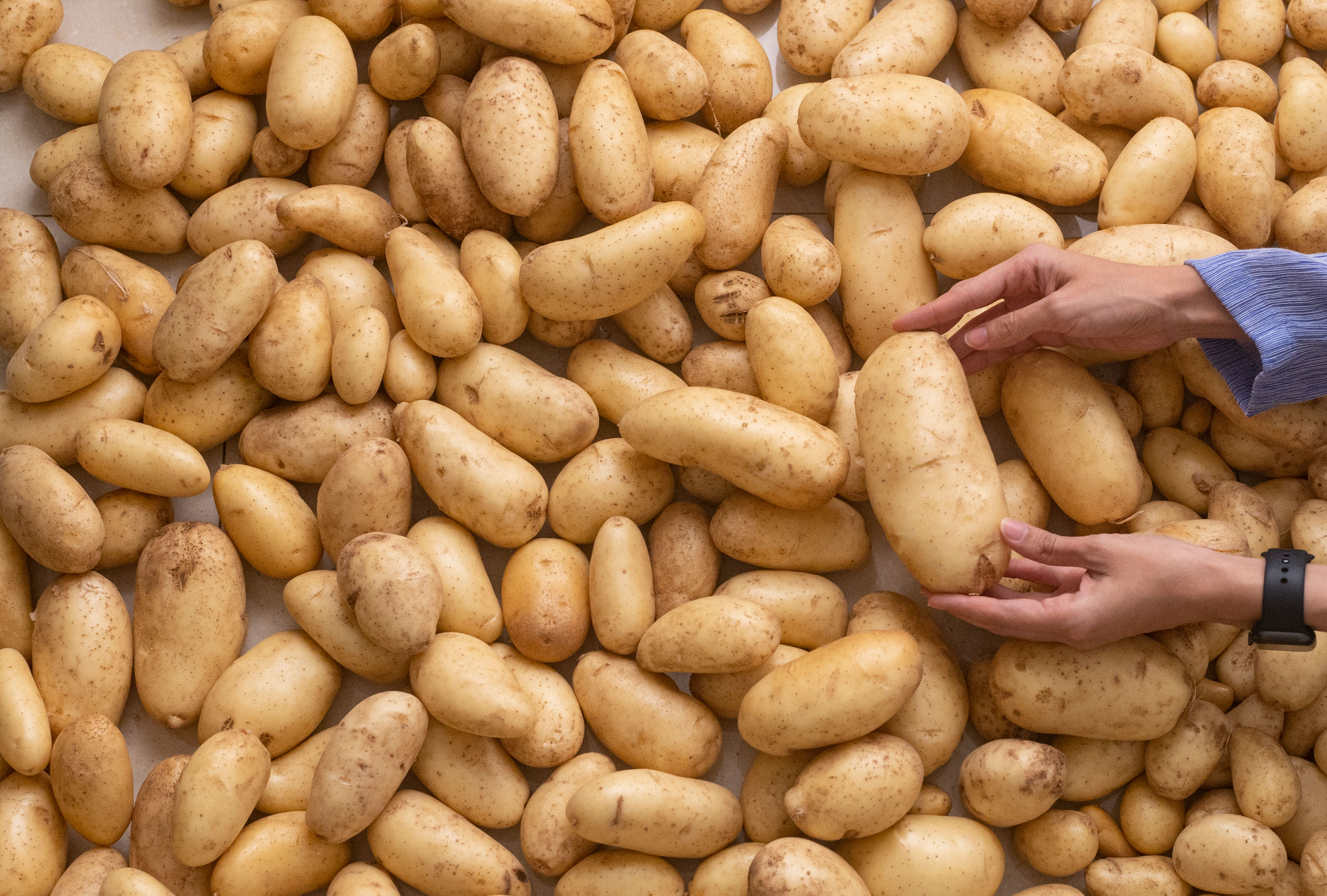
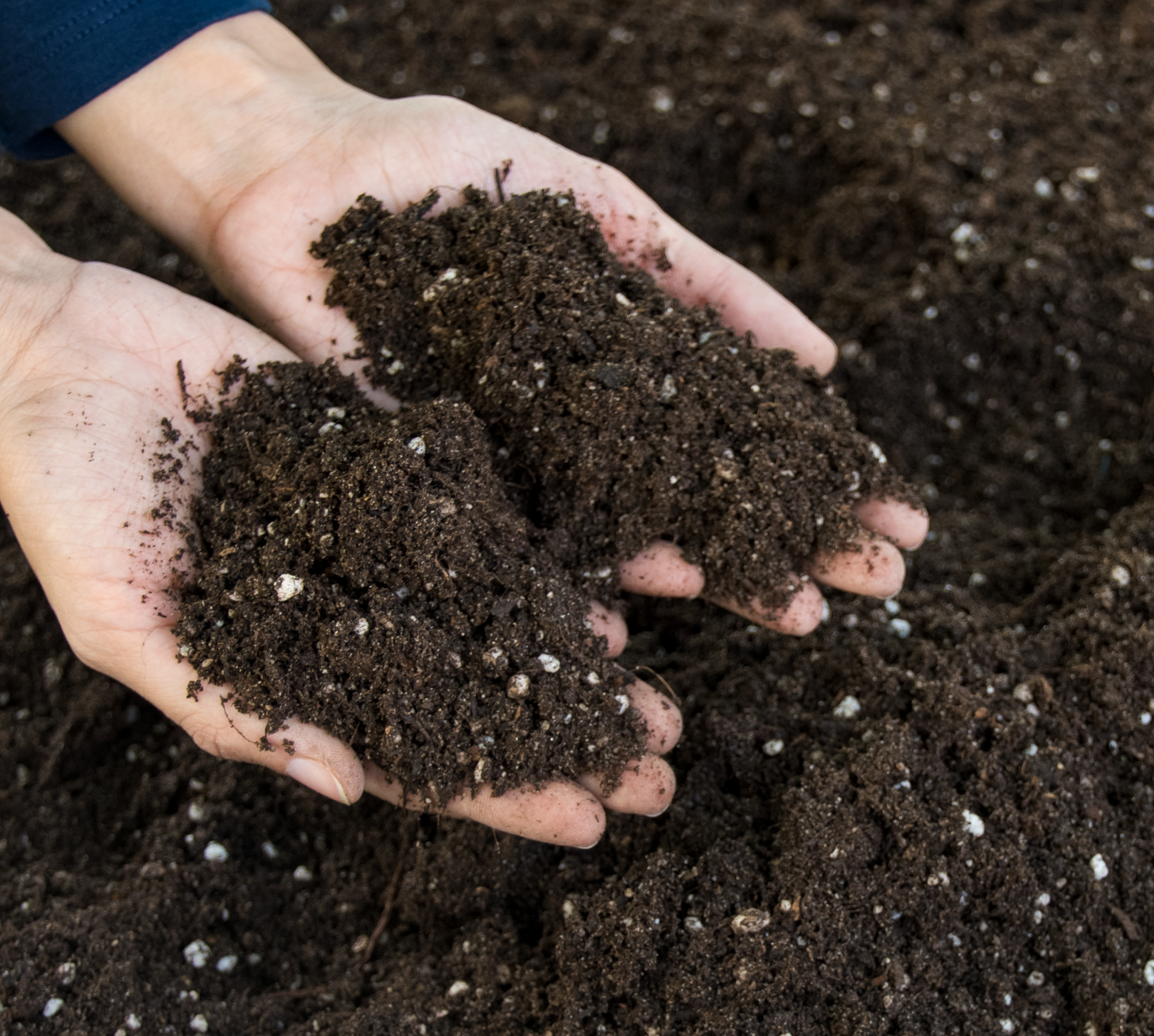
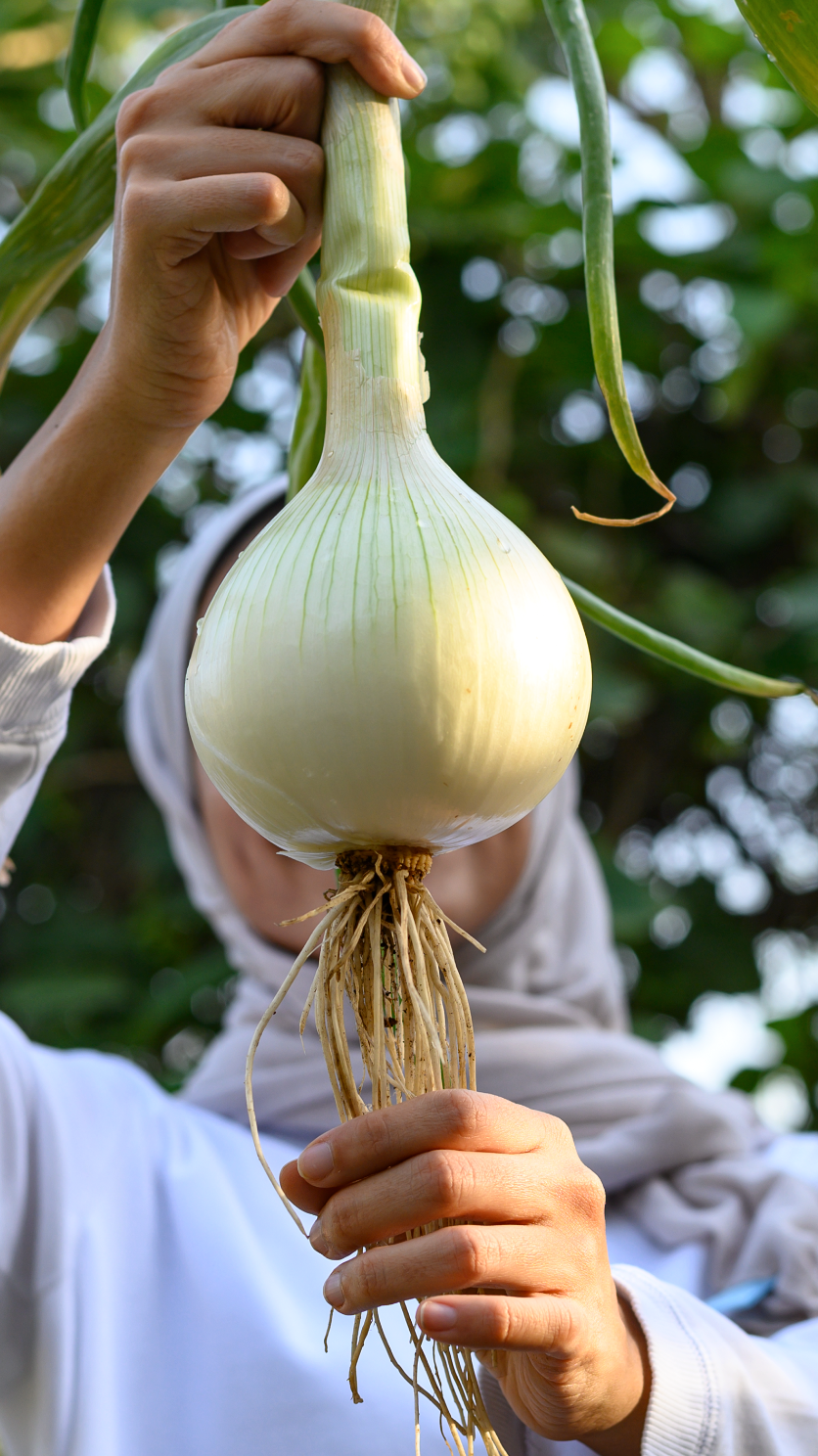
Real harvests, no AI
Proof that all of this works, from my own home garden here in Kuwait.
Your first week
The absolute-beginner checklist
- Pick one plant from the six above. Just one.
- Buy a pot with drainage holes (or a fabric pot), a bag of potting mix, and your seeds or seedling.
- Find a spot with 4 to 6 hours of morning sun. Ground, balcony, windowsill or yard, all fine.
- Fill the pot. Sow at the depth on the packet (usually 2 to 3 times the seed's size) or transplant your seedling.
- Water gently until it drips from the bottom. Then wait.
- Check the soil daily with a finger. Water only when the top few centimetres are dry.
- Take a photo on day one, then every week. Watch it grow.
- When you harvest, post it and tag @itallgrows. You did it.
Everything on the list, ready to grab
Happy growing
A beginner's guide by Alzainah Albabtain, @itallgrows.
About us

Plantnmore began with a simple question: Can we grow our own food, here in Kuwait? Today, everything we offer is chosen to help you grow and enjoy food at home in our climate, and in real life. It all grows.